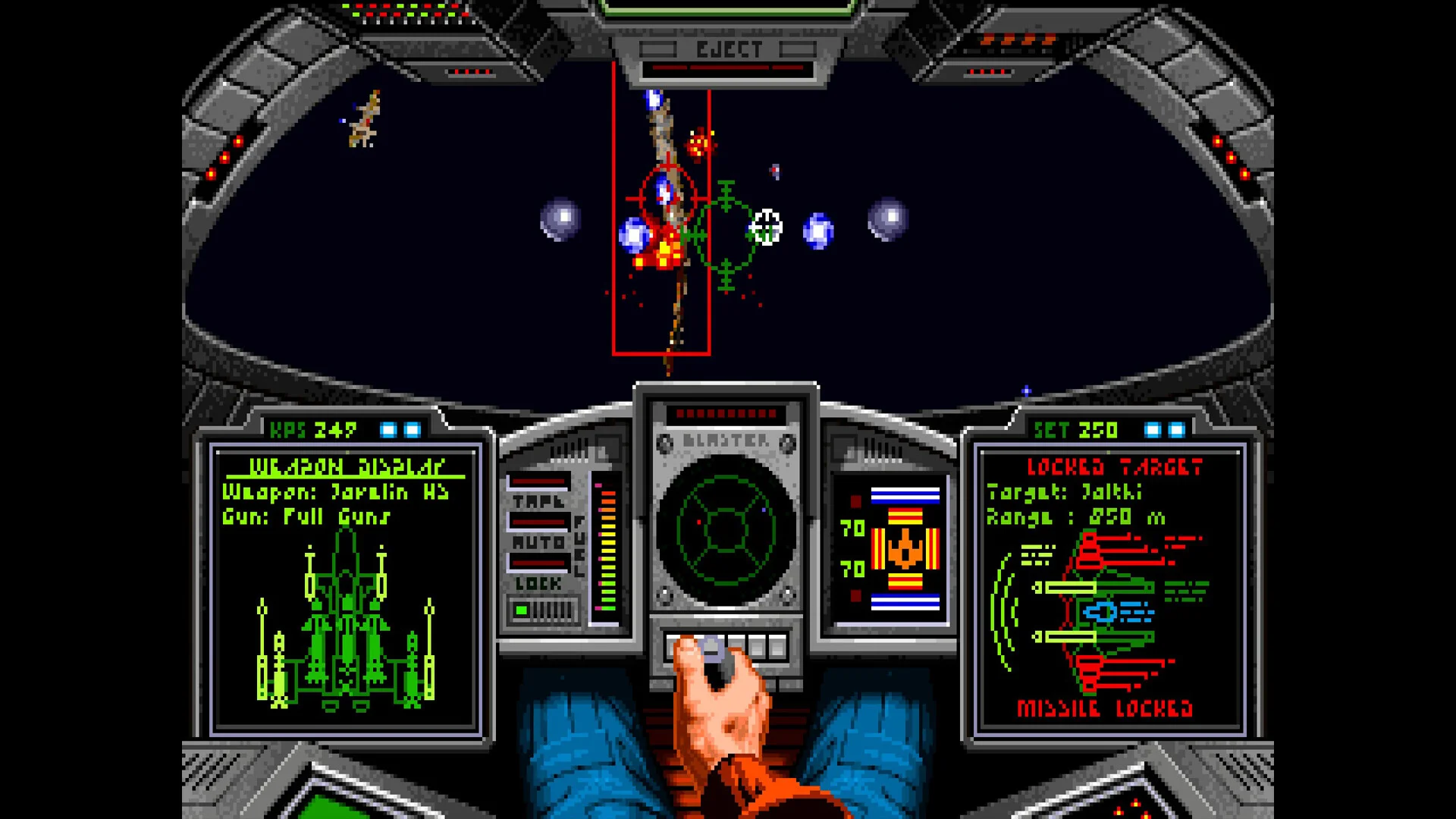
- Primary keyword: Wing Commander 35th Anniversary Edition cutscenes deserve a scene-by-scene comparison.
- Best approach: Watch each sequence once for story, then again for presentation details.
- Main focus: Track framing, dialogue clarity, transitions, audio balance, and continuity.
- Useful tool: Keep a simple comparison table for consistent notes.
- Key caution: Separate confirmed edition features from personal viewing preferences.
Wing Commander 35th Anniversary Edition cutscenes: What to Compare
Wing Commander 35th Anniversary Edition cutscenes are easiest to evaluate when the story experience and the presentation quality are considered separately. A scene can preserve its original dramatic purpose while still gaining from cleaner image output, improved playback stability, or clearer audio balance.
This guide focuses on observable cutscene elements rather than unverified technical specifications. If your edition includes optional display, audio, or subtitle settings, record those settings before comparing scenes so your notes remain consistent.
Visual Clarity
- Check character silhouettes
- Inspect cockpit details
- Note background readability
Dialogue
- Follow speaker changes
- Check line timing
- Compare delivery clarity
Editing
- Watch scene transitions
- Track camera movement
- Note pacing changes
Continuity
- Confirm location flow
- Follow mission context
- Record recurring characters
| Comparison Area | What to Watch | Strong Result |
|---|---|---|
| Image presentation | Faces, ships, interfaces, backgrounds | Important details remain easy to identify |
| Audio balance | Dialogue, music, effects, silence | Speech remains understandable without losing atmosphere |
| Scene pacing | Cuts, pauses, transitions | Dramatic beats feel deliberate rather than rushed |
| Narrative clarity | Mission setup, character roles, consequences | The scene supports the surrounding story |
| Preservation value | Original tone and visual identity | Improvements do not distract from the classic presentation |
Judge one element at a time. A sharper image can attract attention, but it should not automatically be treated as a better storytelling choice.
A Step-by-Step Cutscene Review Method
A consistent review process helps prevent memory from influencing the comparison. The most reliable method uses two passes: the first pass follows the story without interruption, while the second pass records specific presentation details.
Prepare a Consistent Viewing Setup
Use the same display, audio device, subtitle preference, and screen mode for every scene you compare. Write down any setting that could affect image sharpness, dialogue volume, or transition behavior.
Watch Without Pausing
Let the sequence play from beginning to end. Focus on mission context, character intent, emotional tone, and whether the scene clearly explains what happens next.
Replay Key Moments
On the second pass, pause at major transitions, character entrances, cockpit shots, and scene endings. Record what is visible and audible without guessing about unseen technical changes.
Compare Notes by Category
Sort your observations into visuals, audio, editing, continuity, and story function. This keeps a strong personal preference from replacing a balanced review.
| Review Pass | Main Question | Notes to Record |
|---|---|---|
| First viewing | Does the scene communicate its purpose? | Story beat, character goal, mission context |
| Second viewing | What presentation details stand out? | Framing, audio, transitions, visual clarity |
| Comparison pass | What changed in your experience? | Easier reading, stronger mood, clearer dialogue |
| Final review | Is the result consistent? | Repeated strengths, distracting issues, unresolved questions |
A useful scene note should be brief and observable. “Dialogue is easier to follow during overlapping radio traffic” is more useful than “the remaster sounds better,” because the first statement identifies the specific viewing condition.
Use the same scene, the same settings, and the same review categories before drawing a conclusion. Consistency makes your final ranking more useful to other fans.
How to Rank Cutscenes by Story Function
Not every cutscene should be judged by the same standard. A mission briefing needs clarity and context, while a character exchange may depend more on timing, reaction shots, and emotional pacing. Ranking scenes by function produces a fairer result than creating one list based only on visual spectacle.
Briefings
Briefings should establish objectives, locations, risks, and the next decision without overwhelming the viewer with unnecessary information.
Character Scenes
Character-focused sequences benefit from readable expressions, clean dialogue timing, and pauses that support the intended mood.
Action Transitions
Action scenes should connect gameplay and narrative clearly, making it obvious why the next mission or encounter matters.
| Scene Function | Priority 1 | Priority 2 | Priority 3 |
|---|---|---|---|
| Mission briefing | Objective clarity | Tactical context | Character authority |
| Character exchange | Dialogue timing | Performance readability | Emotional pacing |
| Combat aftermath | Consequences | Continuity | Tone |
| Story transition | Location flow | Time progression | Player direction |
Use the following ranking scale when organizing your notes:
- Excellent: The scene communicates its purpose clearly and preserves its intended mood.
- Strong: Minor issues exist, but they do not interfere with story comprehension.
- Mixed: The scene works, although pacing, audio, or visual clarity may require attention.
- Needs Review: A technical or presentation issue makes the scene difficult to follow.
Cutscene Review Checklist:
- Record display and audio settings before comparing scenes
- Watch each sequence once without pausing
- Replay dialogue changes and major transitions
- Separate visual improvements from story preferences
- Rank scenes according to their narrative function
A dramatic battle sequence may be memorable, but a quiet briefing can be more important to the campaign. Rank scenes by purpose as well as visual impact.
Common Cutscene Problems and Practical Fixes
Cutscene issues are not always caused by the edition itself. Display scaling, speaker volume, subtitle settings, and interruptions can change how a sequence feels. Before judging a scene, eliminate the simplest viewing problems first.
| Problem | Likely Cause | Practical Response |
|---|---|---|
| Dialogue is difficult to hear | Music or effects overpower speech | Lower effects or music if separate controls are available |
| Text looks unclear | Scaling or display size | Test another screen mode and inspect text at normal distance |
| Transitions feel abrupt | Scene pacing or playback interruption | Replay without pausing and check whether the issue repeats |
| Characters are hard to identify | Dark framing or low contrast | Adjust display brightness without washing out the full image |
| Story context is confusing | Missed briefing or dialogue | Revisit the previous scene and note the stated objective |
A clean comparison should distinguish between a recurring issue and a one-time interruption. If a transition stutters once but plays normally on replay, mark it as an isolated observation rather than a defining feature.
For archival viewing, resist the urge to apply aggressive enhancement settings. Excessive sharpening, artificial smoothing, or extreme brightness can make the image look different without making it more faithful or easier to understand.
For edition-specific announcements and availability details, consult the official Wing Commander publisher or project page dated 2026-11-08 before treating a feature as confirmed: EA Wing Commander information.
Building a Useful Cutscene Comparison Ranking
A strong ranking explains why a scene works instead of simply labeling it as good or bad. Start with the scenes that establish the campaign’s central conflict, then compare how well later sequences develop that setup.
The most useful ranking categories are:
- Narrative importance: How much the scene affects the campaign or mission context.
- Presentation clarity: How easily viewers can follow the dialogue and visual information.
- Pacing: Whether the sequence gives important moments enough time to land.
- Atmosphere: How effectively music, lighting, sound effects, and performances create tone.
- Replay value: Whether the scene reveals additional details during a second viewing.
| Rank Tier | Recommended Use | Description |
|---|---|---|
| S | Essential scenes | Strong narrative purpose, clear presentation, and memorable atmosphere |
| A | Major scenes | Important to the story with only minor presentation limitations |
| B | Supporting scenes | Useful context or character development with mixed strengths |
| C | Optional scenes | Interesting material that may depend heavily on personal preference |
When writing a final comparison, include one clear strength and one limitation for every high-ranked scene. This keeps the article informative and gives readers a reason to revisit the sequence themselves.
The ranking should also remain flexible. Different fans may value cockpit detail, character performances, mission context, or soundtrack balance differently. A transparent scoring method is more helpful than presenting one preference as the only valid conclusion.
Q: What should I compare first in Wing Commander 35th Anniversary Edition cutscenes?
Start with story clarity, dialogue timing, visual readability, and scene transitions. These categories affect almost every cutscene and provide a consistent baseline.
Q: Should visual quality matter more than the original mood?
No. Visual clarity is useful, but it should support the scene’s tone and narrative purpose. A cleaner image is not automatically a better presentation if it weakens atmosphere.
Q: How can I avoid inaccurate edition comparisons?
Record only observable differences, keep viewing settings consistent, and separate confirmed features from personal impressions. Avoid claiming technical changes that you cannot verify.
Q: What makes a cutscene worthy of an S-tier ranking?
An S-tier scene combines strong narrative importance, clear presentation, effective pacing, and memorable atmosphere without requiring outside explanation.
Before publishing a ranking, reread every entry and ask whether another fan could understand the conclusion without watching the same scene immediately.