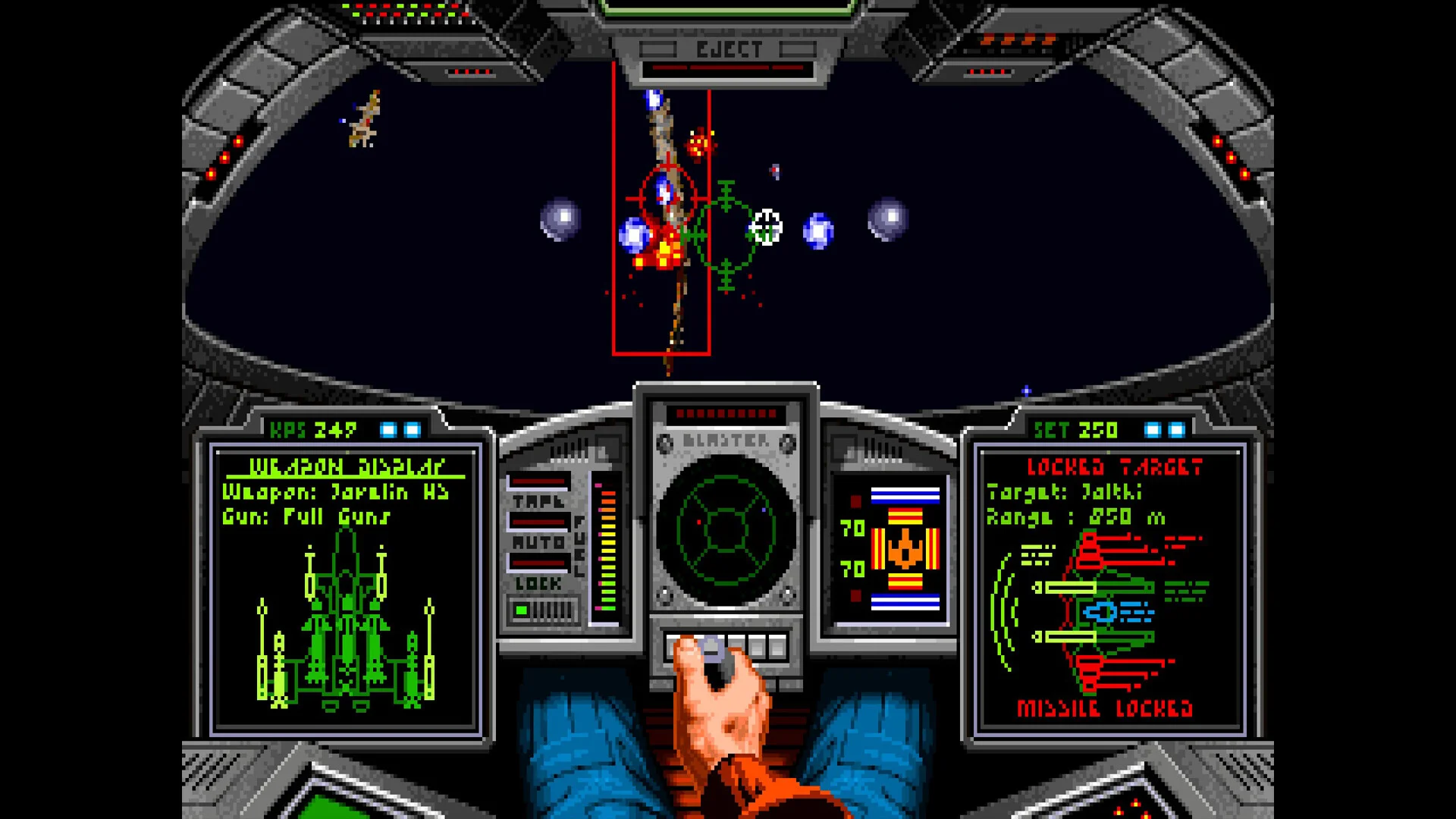
- Primary keyword: Wing Commander 35th Anniversary Edition original vs remaster focuses on authenticity and presentation.
- Original strengths: Preserves period visuals, interface design, pacing, and classic audio character.
- Remaster strengths: Can improve clarity, scaling, accessibility, input support, and display compatibility.
- Best comparison method: Check the same cutscene, mission, interface screen, and combat sequence.
- Decision rule: Choose the original feel for preservation, or remaster-style options for cleaner modern play.
Wing Commander 35th Anniversary Edition original vs remaster: What Changes
The most useful way to approach Wing Commander 35th Anniversary Edition original vs remaster is to separate preservation from modernization. The original presentation represents the technical limits and design priorities of its era. A remaster-style presentation aims to make those same assets easier to view and control on current hardware without removing the identity that made the series distinctive.
A visual upgrade does not automatically improve every part of the experience. Sharper artwork can reveal compression, scaling, or animation limitations that were less obvious on older displays. Likewise, a redesigned interface may be easier to read while feeling less authentic. The best comparison therefore examines multiple layers instead of judging only resolution.
| Comparison Area | Original Presentation | Remaster-Style Presentation | Main Question |
|---|---|---|---|
| Visuals | Period artwork, original scaling, classic effects | Cleaner scaling, improved display clarity | Does the upgrade preserve the intended mood? |
| Interface | Legacy menus and information density | Modern readability and navigation | Is information easier to access? |
| Audio | Original mix and playback character | Cleaner output or adjusted balance | Are voices, music, and effects still distinct? |
| Controls | Classic input assumptions | Updated mapping and device support | Can modern players configure controls easily? |
| Atmosphere | Strong period authenticity | Greater comfort and accessibility | Which priority matters for this playthrough? |
Preservation First
- Original visual character
- Classic menus and pacing
- Best for historical comparison
Clarity First
- Cleaner image presentation
- Easier interface reading
- Better suited to modern displays
Balanced Approach
- Modern display settings
- Minimal interface changes
- Keeps the classic tone intact
Use the same scene in both versions before changing settings. A controlled comparison makes differences in scaling, contrast, audio balance, and interface layout easier to identify.
Visual Fidelity and Presentation Checklist
Visual fidelity is more than resolution. The original Wing Commander look depends on contrast, color limitations, sprite edges, cockpit framing, cinematic presentation, and the way motion appears during combat. A remaster-style treatment should make the image easier to view while respecting those visual signals.
Start with scenes that contain clear reference points: a briefing screen, a cockpit view, a ship launch, and a combat encounter. These situations reveal different types of changes. Menus show text scaling and layout choices, while combat reveals whether updated rendering affects target readability or the visual rhythm of weapon effects.
| Test Scene | Original Reference | Remaster Check | Desired Result |
|---|---|---|---|
| Briefing screen | Dense text and fixed layout | Text scaling and spacing | Improved readability without lost information |
| Cockpit view | Original frame and instrument placement | Display ratio and HUD clarity | Stable composition with clearer details |
| Launch sequence | Cinematic pacing and transitions | Image cleanup or filtering | Smoother viewing without altered timing |
| Combat encounter | Classic effects and target silhouettes | Contrast and edge treatment | Better visibility without visual clutter |
| Mission debrief | Legacy result presentation | Revised panel layout | Faster reading with familiar structure |
When comparing screenshots or gameplay footage, look for these specific details:
- Aspect ratio: Check whether the image remains proportionate rather than appearing stretched.
- Scaling method: Nearest-neighbor scaling can preserve hard pixel edges, while smoothing can create a softer image.
- Color balance: Dark space backgrounds should remain distinct from cockpit elements and ship silhouettes.
- Text rendering: Fonts should be readable without changing the hierarchy of mission information.
- Animation timing: Cleanup should not make original sequences feel unusually fast or slow.
- Interface density: Modern spacing can help readability, but excessive simplification may remove useful context.
A faithful remaster does not need to reproduce every technical limitation. It should preserve the visual language: military briefing screens, compact cockpit information, strong silhouette recognition, and a presentation that supports the drama of each mission.
Do not treat sharper output as proof of better preservation. Aggressive smoothing, artificial contrast, or redesigned fonts can make a classic scene cleaner while moving it further from its original identity.
Combat Feel, Audio, and Interface Differences
The most important original-versus-remaster differences often appear during play rather than in screenshots. Space combat depends on timing, target recognition, weapon feedback, cockpit information, and audio cues. Even a small change to input response or sound balance can alter how the game feels.
Use a repeatable test during a short mission or combat sequence. Perform the same actions in both presentations: acquire a target, change direction, fire, monitor the cockpit, and review the result. This approach helps separate personal preference from genuine usability improvements.
| Gameplay Element | What to Compare | Original Priority | Remaster Priority |
|---|---|---|---|
| Input response | Delay, dead zones, button mapping | Familiar classic behavior | Flexible modern configuration |
| Targeting | Lock indicators and target visibility | Original information layout | Clearer reading at current resolutions |
| Weapon feedback | Sound, animation, screen response | Period-authentic impact | Consistent output across devices |
| Cockpit data | Status panels and warnings | Original placement | Readability and contrast |
| Mission pacing | Briefings, launches, combat transitions | Historical rhythm | Smooth presentation without compression |
Audio deserves its own review because it carries much of the atmosphere. Compare voice clarity, music balance, weapon effects, warning sounds, and transitions between gameplay and cinematic scenes. A cleaner mix should not bury important alerts or make dialogue dominate every other element.
For interface settings, prioritize changes that improve access without changing the game’s information structure:
- Remap controls only after testing the default layout.
- Keep essential cockpit indicators visible during initial comparisons.
- Use a display mode that avoids stretching.
- Adjust volume by category instead of raising the master level alone.
- Record which changes affect comfort and which change the intended atmosphere.
Choose a Controlled Scene
Select one briefing, one cockpit sequence, and one combat encounter. Use the same display mode and audio setup before making adjustments.
Test Visual Readability
Compare text, cockpit indicators, target silhouettes, and dark backgrounds. Note whether the remaster-style presentation improves clarity without distorting proportions.
Test Input Response
Perform basic movement, targeting, firing, and camera actions. Check whether modern mappings improve comfort without introducing unexpected delay.
Review Audio Balance
Listen for dialogue, music, weapons, and warnings separately. Keep changes that improve separation while preserving the original dramatic balance.
Record Your Preferred Profile
Save a preservation profile and a comfort profile. This makes it easy to switch between historical presentation and modern convenience.
A balanced setup usually keeps the original interface structure and audiovisual identity while allowing modern resolution, input mapping, and volume controls.
Which Version Fits Your Playstyle?
There is no single correct choice in the original-versus-remaster debate. The better option depends on whether the goal is historical study, a first playthrough, replay value, or comfortable use on a current display.
The original presentation is especially valuable when you want to understand how the game looked and sounded in its period context. A remaster-style presentation becomes more attractive when small text, fixed display assumptions, or legacy controls create unnecessary friction.
| Player Goal | Recommended Priority | Why It Fits |
|---|---|---|
| Historical comparison | Original presentation | Preserves period design decisions |
| First modern playthrough | Clarity and controls | Reduces avoidable display and input friction |
| Long replay sessions | Comfort settings | Helps with readability and fatigue |
| Series research | Switchable profiles | Allows direct comparison of design changes |
| Atmosphere-focused play | Original audiovisual tone | Maintains the intended dramatic texture |
Consider these four profiles:
Archivist
Keeps original scaling, menus, audio balance, and visual behavior wherever practical.
Modern Pilot
Favors readable output, flexible controls, and a display setup suited to current hardware.
Replay Specialist
Uses comfort improvements for longer sessions while retaining the classic interface identity.
Comparison Tester
Maintains two profiles and records differences across identical scenes and missions.
The safest approach is to avoid changing everything at once. Begin with display scaling, then test input mapping, then adjust audio. If the result feels too different, revert the last change rather than rebuilding the entire setup. This preserves a clear connection between a setting and its effect.
A good remaster comparison should answer three questions:
- Does the updated presentation make information easier to understand?
- Does it preserve the visual and audio language associated with Wing Commander?
- Does it reduce technical friction without changing the character of combat?
If the answer to all three is yes, the remaster-style configuration is doing its job. If only clarity improves while atmosphere suffers, a lighter-touch profile may be preferable.
Judge each change by function and identity. A setting is worthwhile when it improves comfort or access while keeping the game recognizable as Wing Commander.
Original vs Remaster Decision Checklist
Use this checklist before settling on a permanent presentation profile. It is designed for players who want a practical answer rather than a purely technical comparison.
Comparison Goals:
- Confirm that the display preserves correct image proportions
- Compare the same briefing, cockpit, and combat scenes
- Check text, targeting information, and cockpit indicators
- Test controls before changing the default layout
- Balance dialogue, music, effects, and warning sounds
- Save a preservation profile and a comfort profile
| Final Question | Choose Original When | Choose Remaster-Style Settings When |
|---|---|---|
| Do you value period authenticity most? | Yes | Not the main priority |
| Is small text difficult to read? | Only with display adjustments | Yes, if scaling improves clarity |
| Do legacy controls cause friction? | No | Yes, if remapping is available |
| Are you comparing historical design? | Yes | Use both profiles |
| Do you play for long sessions? | With comfort changes | Often the more practical choice |
The strongest comparison is not a one-time verdict. It is a repeatable method. Revisit the same scenes after making one adjustment, record what changed, and keep the configuration that supports the way you actually play.
Keep one profile focused on original presentation and another focused on modern comfort. Switching between them preserves both authenticity and flexibility.
FAQ: Wing Commander Original and Remaster Comparisons
Q: What does Wing Commander 35th Anniversary Edition original vs remaster compare?
It compares the classic presentation with remaster-style improvements in visuals, scaling, audio, controls, interface readability, and modern display compatibility.
Q: Is a sharper image automatically more authentic?
No. Sharper output can improve readability, but smoothing, altered contrast, stretched proportions, or redesigned fonts may move the presentation away from its original character.
Q: Which approach is better for a first playthrough?
A balanced modern profile is usually the most comfortable starting point. Keep the original interface structure and audiovisual identity, then use careful scaling and control adjustments where needed.
Q: Should I change controls before comparing both versions?
No. Test the default layout first so you can identify the original control feel. After that, create a second profile with modern mappings and compare the results.
The best original-versus-remaster setup preserves the identity of Wing Commander while removing only the technical friction that affects readability, control, or long-session comfort.